The KAMI Project: Creating, Storytelling, and Sharing Through Kamishibai
The KAMI project is a collaborative educational initiative developed at the Mende campus. From the first year of undergraduate studies (L1) through the second year of master’s studies (M2), students are invited to participate in the collaborative creation of multilingual stories, which will then be adapted into educational materials and activities centered on kamishibai, a Japanese art of illustrated storytelling.
Each level of training thus contributes to a different stage of the project: developing the story, creating illustrations for the butai, multilingual adaptation and staging, designing educational sessions, and conducting a didactic analysis. This approach allows students to combine their skills, work collaboratively, and reflect on practices related to reading, writing, oral expression, illustration, and knowledge transmission.
The project also draws on role-playing exercises involving students and teachers at elementary schools in Mende. The students’ work thus comes to life through kamishibai performances, designed as authentic learning experiences.
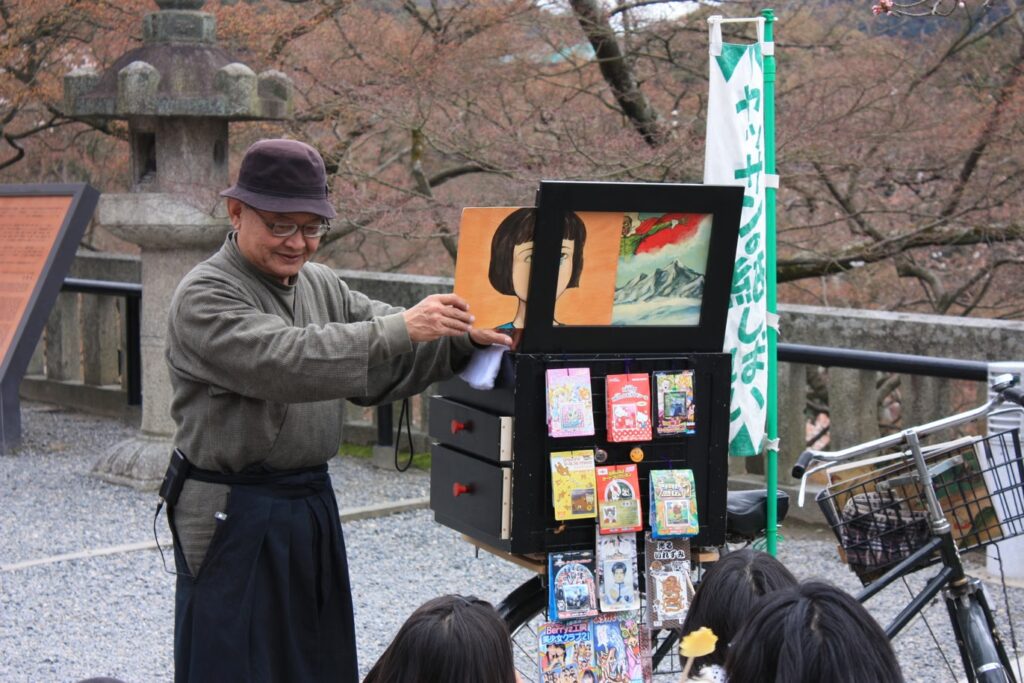
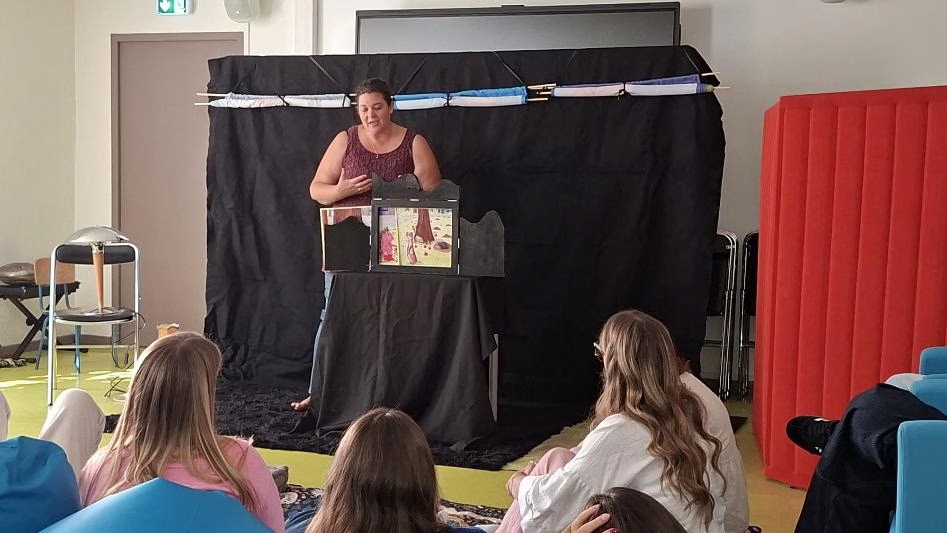
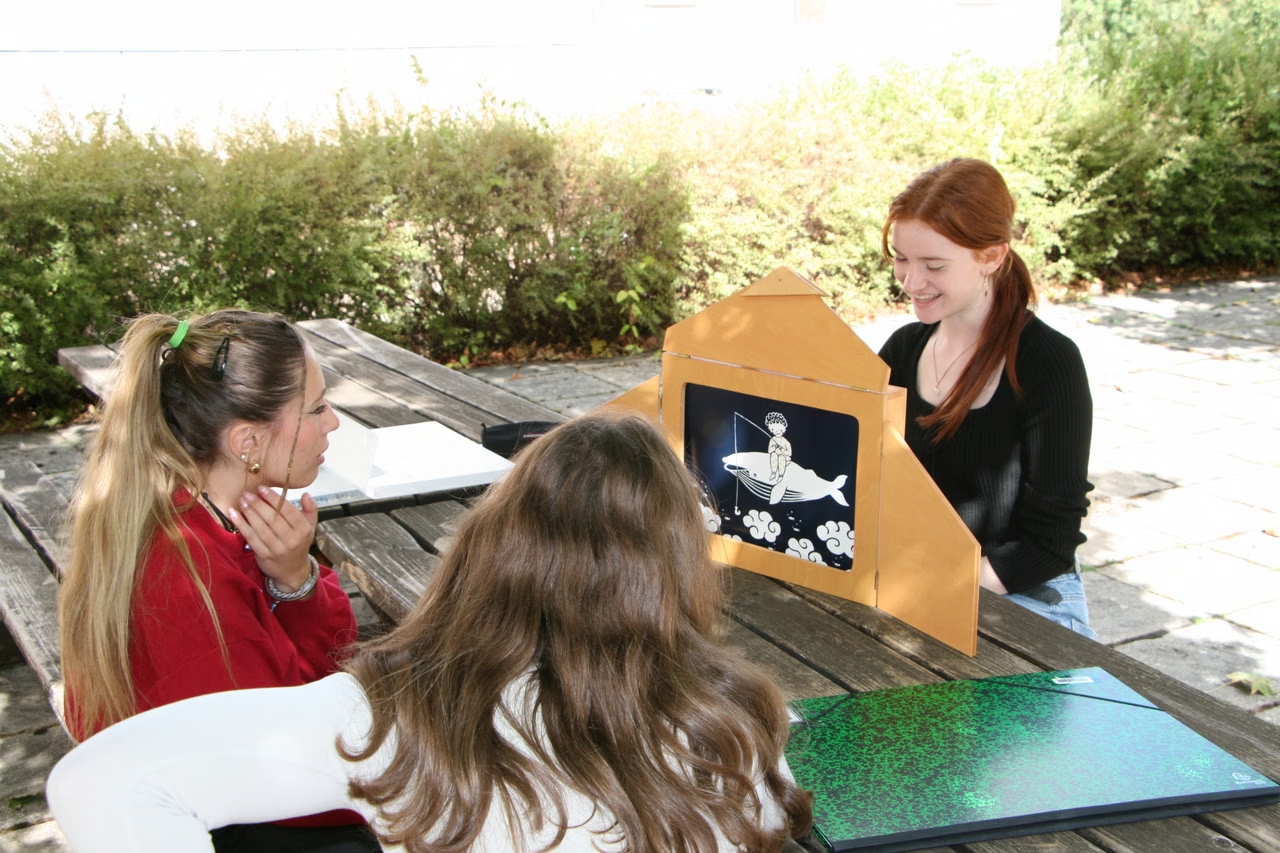
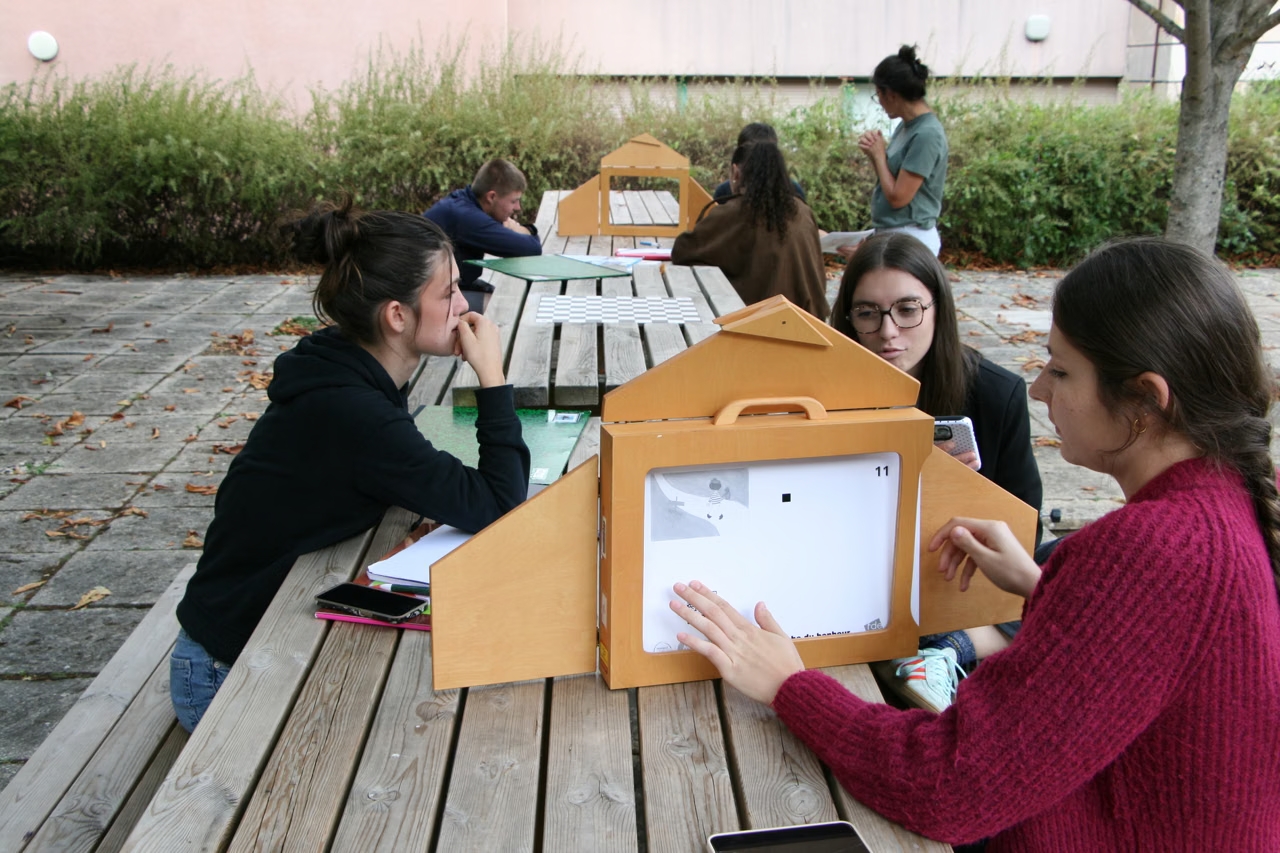
The kamishibai, which literally means “paper theater” in Japanese, is a form of illustrated storytelling that originated in Japan. It is based on a simple principle: a storyteller displays illustrations one after another in a small wooden theater called a butai, while narrating the story aloud.
A blend of reading, theater, and oral storytelling, kamishibai creates a shared experience centered on the story. The illustrations help the audience follow the narrative, while the storyteller’s voice brings the characters, situations, and emotions to life.
In the classroom, kamishibai is a particularly effective tool for developing children’s language skills and oral expression. Presenting a story is a great way to work on:
- understanding and active listening;
- oral expression and vocabulary building;
- the ability to tell and retell a story;
- imagination and creativity;
- the attention paid to the images and the various elements of the narrative.
Kamishibai can also be a creative activity: students can come up with a story, write the text, create the illustrations, and then tell the story to their classmates. In doing so, they become authors, illustrators, and storytellers themselves.
Artist's Presentation
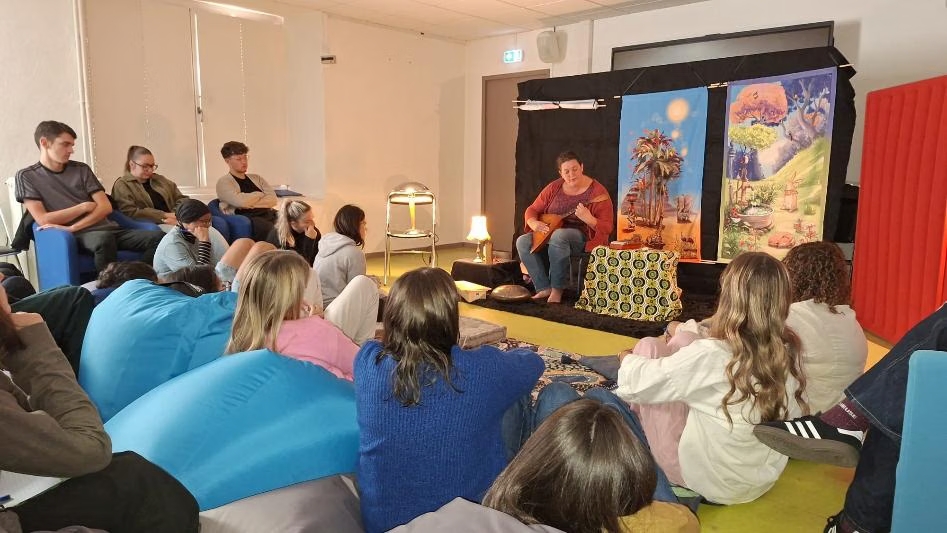
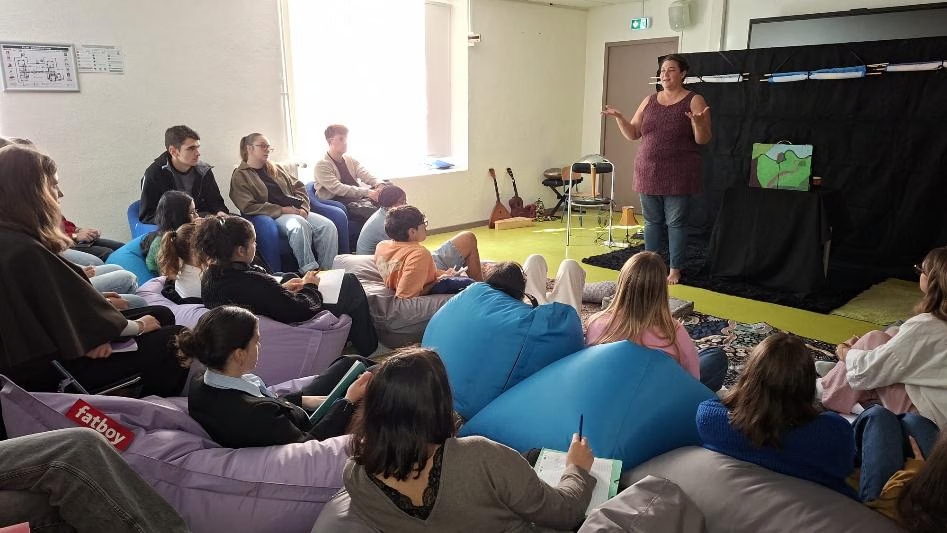
On September 18, first-year undergraduate students explored the art of storytelling through performances by Stéphanie Briot, a guest lecturer and artist. The program featured traditional nursery rhymes and kamishibai, with works conceived and created by the artist herself.
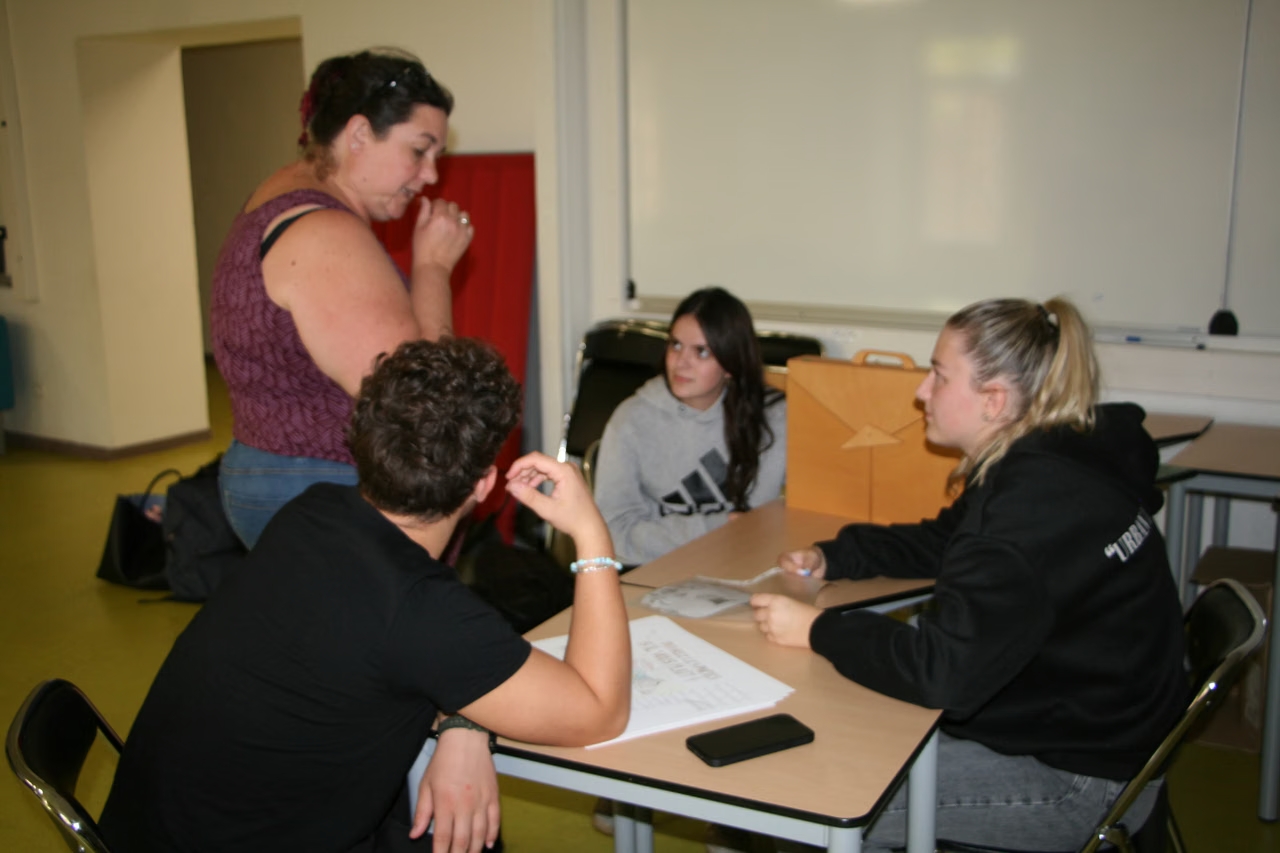
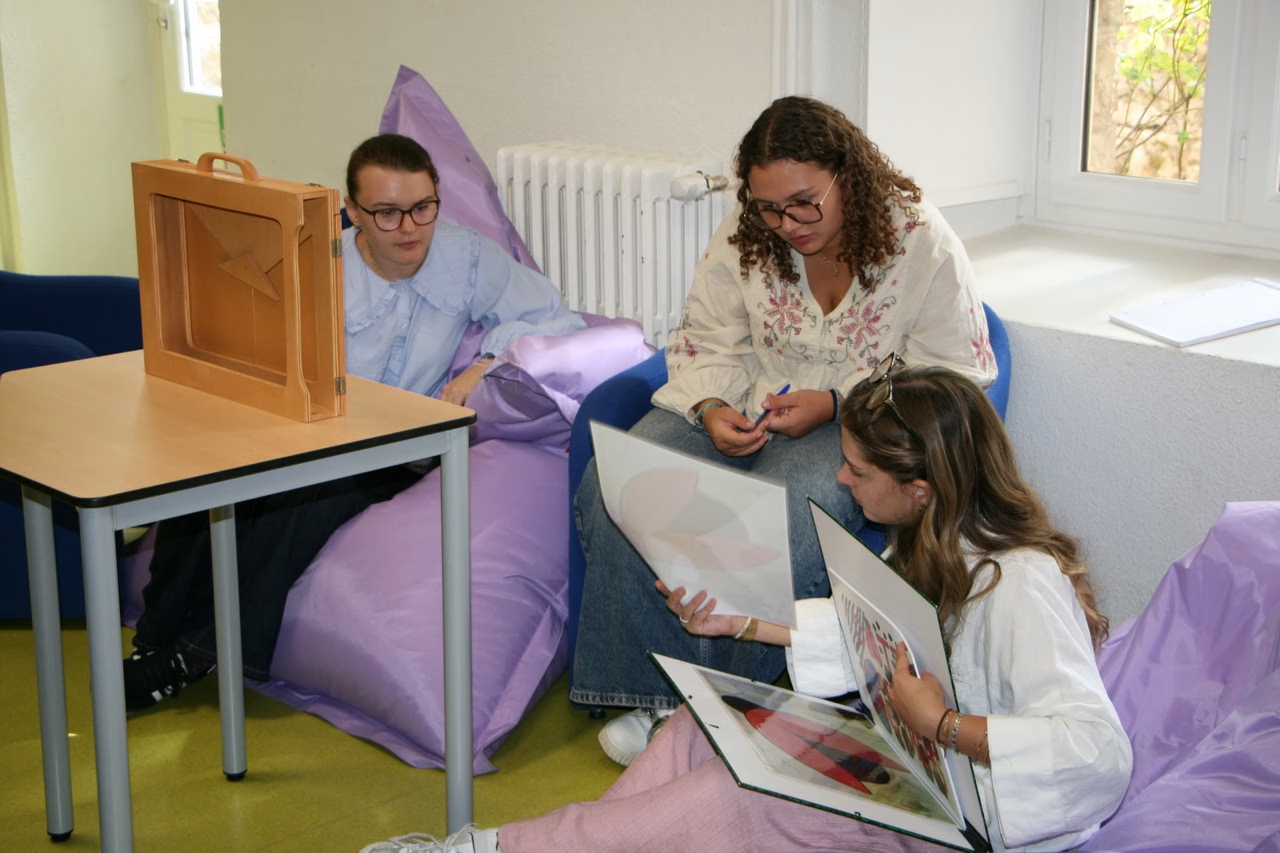
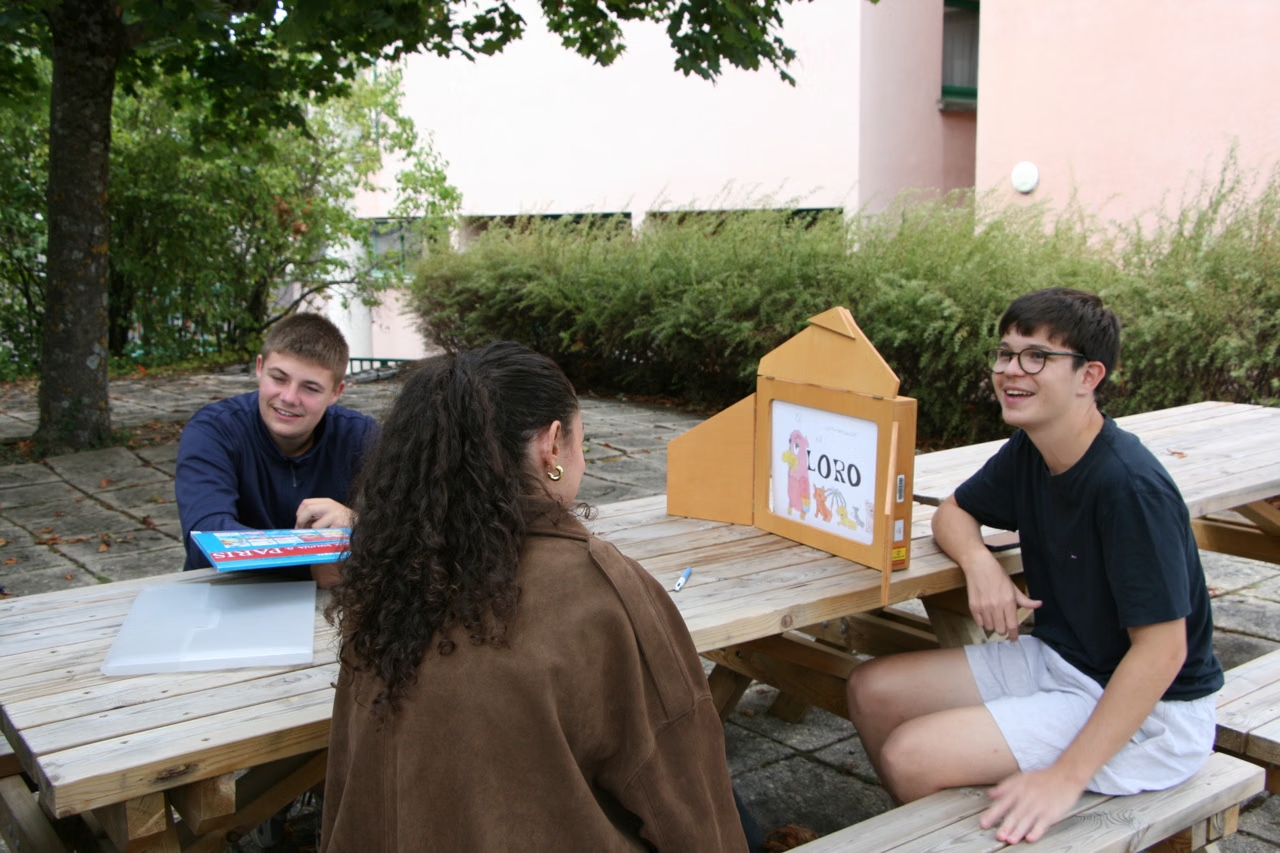
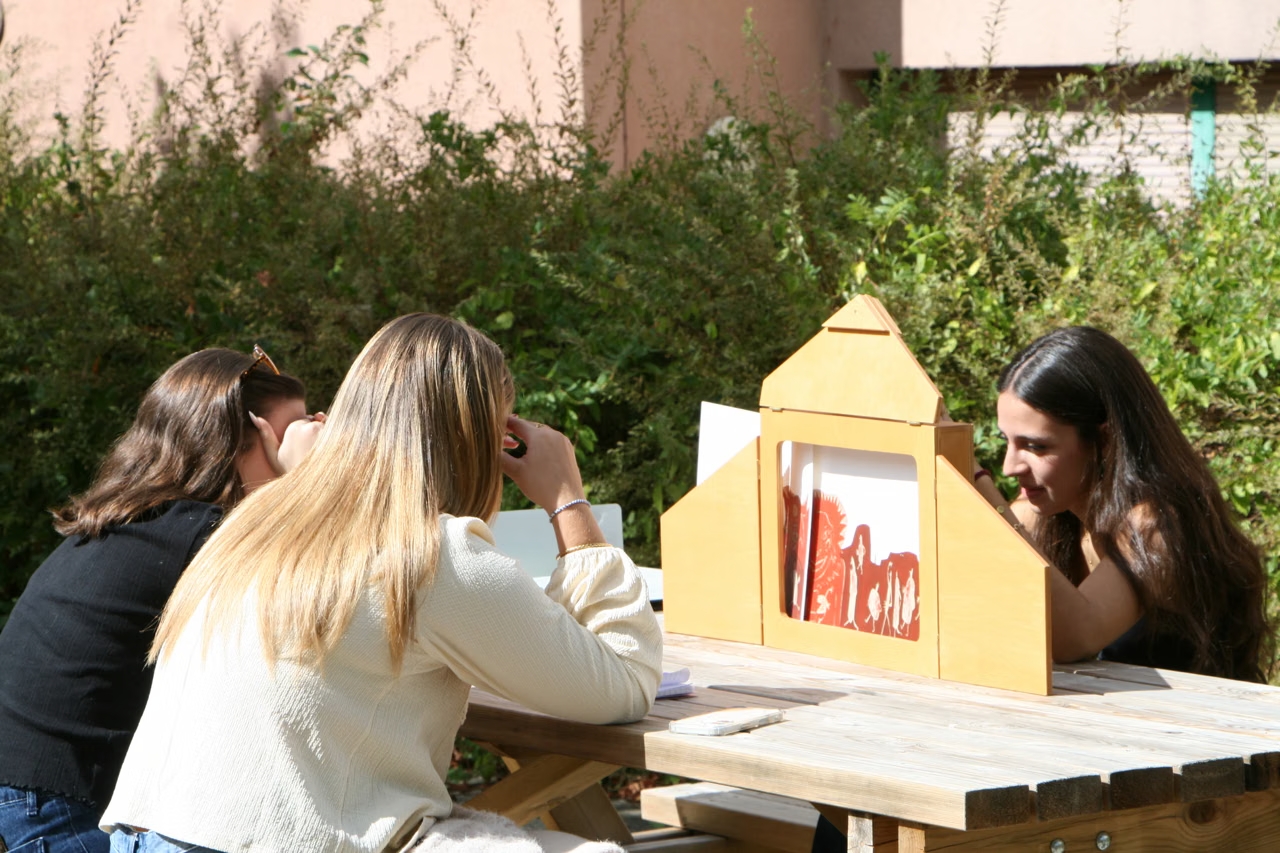
In the afternoon, it was time to get hands-on! The students were able to handle the kamishibai and experiment with how they work, using their own illustrations and designs.